Transforming Trash: The Importance of E-Waste Recycling in Today's Digital World
E-waste has grown into a significant problem in the digital age. Discarded electronics accumulate, often consisting of dangerous components that endanger the natural world. Repurposing these devices comes with both difficulties and potential. It not only addresses pollution but also aids in resource conservation. Grasping the intricacies of electronic waste recycling highlights its vital importance in building a sustainable tomorrow. How can individuals and organizations best participate in this important initiative?
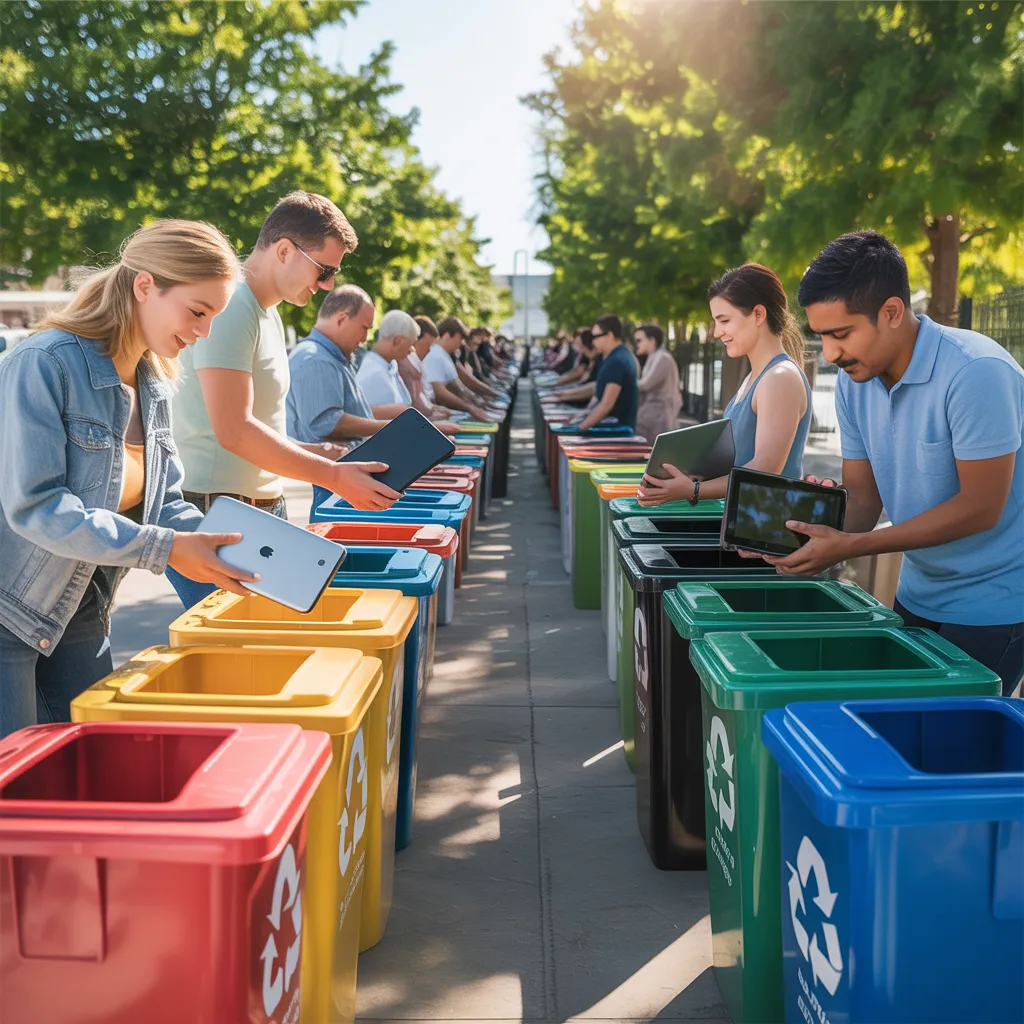
What Is E-Waste and Why Should You Care?
Electronic waste, commonly referred to as e-waste, describes discarded electrical or electronic devices, including computers, smartphones, and televisions. This classification of waste is increasing significantly, driven by advancements in technology and increased consumer demand for newer devices. As users replace their electronic devices, the amount of e-waste produced each year surges dramatically, creating major obstacles for waste disposal and management systems.
The significance of addressing e-waste lies in its potential environmental and health hazards. Many electronic devices contain toxic substances, including lead, mercury, and cadmium, which can leach into soil and water if improperly disposed of. Moreover, electronic waste signifies the squandering of precious resources, encompassing rare earth elements and other valuable metals. The responsible management of e-waste is consequently critical for environmental preservation as well as material reclamation. Raising awareness about e-waste encourages responsible disposal and recycling practices, thereby minimizing adverse consequences for both ecosystems and human well-being.
How E-Waste Recycling Minimizes Environmental Impact
E-waste recycling plays an essential role in minimizing the volume of hazardous substances that reach landfills, consequently preserving soil and water integrity. Moreover, it protects finite natural resources by retrieving metals and components for repurposing. This method further advances sustainable initiatives, encouraging a circular economy that benefits both the environment and society.
Reducing Toxic Landfill Waste
A significant portion of electronic waste generated globally is deposited in landfills, where it poses serious environmental risks. E-waste contains toxic substances such as mercury, lead, and cadmium, which can leach into the soil and groundwater, degrading surrounding ecosystems and threatening public health. By recycling electronic devices, these harmful substances can be responsibly handled and stopped from polluting landfill sites. Dedicated e-waste processing plants reclaim valuable resources while making certain that dangerous substances are managed according to regulatory environmental guidelines. This process not only limits environmental damage but also promotes responsible disposal practices among consumers. As e-waste continues to rise, effective recycling becomes essential in minimizing hazardous landfill materials and safeguarding the environment from the threats posed by discarded electronics.
Preserving Natural Resources
The recycling of electronic waste plays an essential role in protecting our natural resources, as it facilitates the retrieval of precious materials that can be reused in the production of new devices. High-value metals such as gold, silver, and copper, commonly present in electronic waste, can be extracted and repurposed, reducing the need for mining. This not only reduces the ecological footprint connected to resource extraction but also aids in protecting ecosystems. Additionally, e-waste recycling decreases the demand for raw materials, which are frequently scarce and vulnerable to geopolitical tensions. By leveraging recovered materials, electronic waste recycling promotes a more sustainable approach to resource management, ensuring that future generations have access to the raw materials necessary for technological advancement.
Encouraging Sustainable Practices
Mitigating environmental impact copyrights on the responsible recycling of electronic devices, which significantly decreases pollution and preserves energy. Electronic waste recycling reclaims useful materials, such as various metals and plastics, reducing the demand for virgin resource extraction and limiting environmental damage. By diverting electronic devices from landfills, the hazardous elements contained in them—such as mercury and lead—are stopped from tainting soil and groundwater. Moreover, recycling efforts promote a circular economy, encouraging sustainable practices among consumers and manufacturers alike. Public outreach programs serve a critical function in advancing responsible disposal, enabling people to engage more readily in electronic waste recycling. Ultimately, this collective effort aids in reducing the carbon footprint and supports a healthier planet for future generations.
How E-Waste Recycling Preserves Natural Resources
E-waste recycling serves a vital function in conserving resources by reclaiming valuable metals that can be reused in new products. This process markedly reduces the demand for raw materials, thereby lessening the ecological impact associated with mining and extraction. In the end, responsible e-waste recycling supports a more sustainable resource management strategy.
Retrieving Precious Metals
With the advancement of technology, the accumulation of electronic waste has become a significant issue, underscoring the importance of reclaiming precious metals from obsolete electronics. E-waste contains valuable materials such as gold, silver, and palladium, which are critical in a wide range of industries. Traditional mining for these metals is consuming of vast resources and environmentally damaging. In contrast, recycling e-waste offers a sustainable alternative, enabling the extraction of these precious metals with a substantially smaller environmental footprint. By reclaiming these materials, e-waste recycling not only conserves finite resources but also reduces the need for new mining operations. This process supports a circular economy, promoting the responsible use of materials and nurturing a more sustainable approach to technology consumption and waste management.
Lowering Raw Material Usage
A notable decline in resource consumption can be achieved through successful e-waste recycling. By extracting useful resources such as metals, plastics, and glass from disposed electronic devices, e-waste recycling reduces the need for mining and processing new resources. This not only conserves natural habitats but also lowers energy consumption connected to raw material extraction. For instance, recycling one million cell phones can recover 24 kilograms of gold, substantially decreasing the demand for new gold mining. Additionally, as electronic devices continue to increase, the importance of recycling becomes progressively vital. Ultimately, a strong e-waste recycling program can help build a circular economy, confirming that resources are utilized efficiently and sustainably, thereby minimizing the environmental impact of resource depletion.
How E-Waste Recycling Helps Reduce Pollution
When electronic equipment is discarded incorrectly, toxic substances can infiltrate the environment, creating serious threats to both people and natural ecosystems. Electronic waste recycling reduces these risks by making certain that harmful materials, like lead, mercury, and cadmium, are processed responsibly. By recycling e-waste, these toxic elements are extracted and processed, decreasing the risk of polluting soil and water supplies.
Additionally, electronic recycling decreases the necessity for waste incineration, which can release harmful emissions into the atmosphere. This method further protects natural resources by recovering valuable metals and components, thereby reducing the requirement for extraction and processing operations that commonly result in harm to the environment.
What Steps Can Individuals Take to Effectively Participate in E-Waste Recycling?
Individuals have a significant part in the electronic waste recycling process, supporting the protection of the environment and conservation of resources. To take part meaningfully, they can start by recognizing and sorting electronic waste items, such as old phones, computers, and batteries, from everyday waste. Various municipal authorities and community groups offer specific drop-off points or scheduled collection events designed for e-waste disposal, allowing people to manage their e-waste in an environmentally responsible way.
Additionally, individuals can familiarize themselves with appropriate disposal practices and the ecological dangers connected to incorrect e-waste management. Participating in community programs or advocacy organizations can greatly increase awareness and encourage improved recycling habits. Furthermore, individuals are encouraged to donate operational electronics to charities or schools, increasing their longevity and cutting down on waste. By making informed choices and taking proactive steps, individuals can make a meaningful difference in reducing e-waste and fostering a sustainable future.
Practical E-Waste Recycling Solutions for Businesses
Instructing employees on correct waste management habits establishes a atmosphere of sustainability across the business. Additionally, enterprises can design return initiatives, motivating buyers to bring back pre-owned electronics, thus supporting a sustainable economy.
Investing in energy-saving solutions can further decrease future e-waste generation. Through the adoption of these approaches, organizations not only meet regulatory requirements but also position themselves as sustainability champions. Ultimately, effective e-waste recycling can result in cost savings and enhanced corporate image, connecting organizational practices to the values of modern consumers.
Upcoming Trends in E-Waste Management and Recycling
With technology continuing to advance at an accelerating rate, emerging trends in e-waste management and recycling are placing greater emphasis on innovation and sustainability. A notable trend involves the development of cutting-edge recycling technologies designed to improve the extraction of valuable materials from electronic Find more waste. Techniques such as hydrometallurgy and bioleaching are gaining traction, allowing for more efficient recovery of metals like gold and copper.
In addition, organizations are implementing circular economic models, which center around designing products for lasting use and ease of repair. This transition decreases e-waste production and inspires producers to take ownership of their products upon reaching the conclusion of their product lifecycle.
Furthermore, enhanced cooperation between industries, governments, and consumers is anticipated to streamline recycling processes and improve regulatory frameworks. Public awareness campaigns will further play a significant role in encouraging responsible disposal practices. Together, these developments aim to establish a more sustainable future, tackling the escalating challenges presented by electronic waste.
Questions We Often Receive
What Types of Devices Are Considered E-Waste?
Electronic waste includes disposed electronic equipment for example televisions, computers, smartphones, gaming consoles, tablets, and printers. Moreover, appliances including refrigerators and microwaves are also considered e-waste, raising environmental issues when disposed of without proper recycling.
How Is the Recycling of E-Waste Regulated?
Electronic waste recycling is governed by numerous regulations and guidelines that enforce appropriate waste management, encourage manufacturer responsibility, and foster sustainable environmental practices. Adhering to these regulations ensures toxic substances are managed appropriately, minimizing environmental impact and safeguarding community well-being.
What Are the Hazards of Improper E-Waste Disposal?
Improper e-waste disposal poses significant risks, including environmental contamination from hazardous materials, threats to public health, and the depletion of recoverable materials. These consequences underscore the urgent need for responsible recycling practices and regulatory measures.
Can E-Waste Be Donated or Reused?
Yes, e-waste can be donated or reused. Numerous organizations take in working electronic devices, sharing them with communities that require assistance. This approach not only prolongs the life of electronic devices but also lowers the ecological footprint through conscientious disposal.
What Certifications Are Required for E-Waste Recyclers?
Electronic waste recyclers need to obtain certifications including R2 (Responsible Recycling), e-Stewards, and ISO 14001. These industry credentials establish conformity to ecological standards, facilitating proper handling, processing, and elimination of electronic waste in support of sustainable operations.